
Customer story
How Mike Hulsman cut his client preparation to minutes
Mike Hulsman could spend up to an hour getting ready for a client call, by his own estimate. He spent 15 years at accesso, whose ticketing and queuing software runs at theme parks, ski resorts, zoos and other attractions. He was SVP Operations there when he took the Multiply Academy programme. Mike led about 90 people in client support and client success, across North America, Europe, the Middle East and Africa, and Asia Pacific. His team began the programme in March 2026. His preparation for a call came down to minutes once his AI could recall each client’s history.
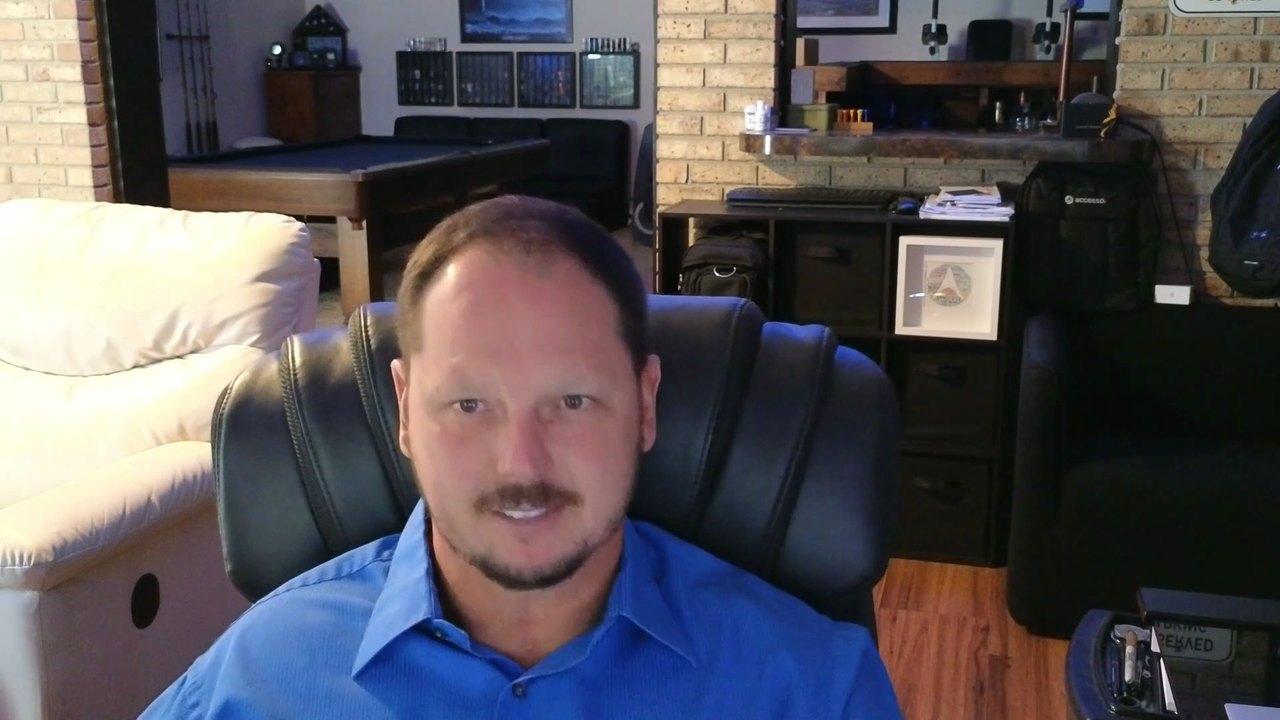
Mike talks about getting ready for client calls, and how the small details he remembered helped them.
Back-to-back meetings
“I have so many back-to-back meetings at accesso that this is not a nice-to-have. It’s how I function,” Mike wrote in a reflection during the programme.
“The client is extremely important to me,” he said. Across many clients, small details were easy to miss.
The agenda before he asks
After each recurring meeting, his AI updated that meeting’s file. “It then creates a completely new agenda for the following meeting, dates it for when that meeting should be, with all the open items we had from this meeting,” he said.
During the week he added items to the next agenda by voice, through Wispr Flow, an app that types what is spoken. “No more hunting, no more searching. It just does it for me.”
He kept a list of open items the same way. “It literally takes me three seconds, and I’m moving on to the next thing while it puts it in there.”
“It’s AI, but it’s the artificial intelligence with the human supervision that really clicked for me,” he said.
Before a client call
Before a call, he asked his AI what had happened last time. “I can do all of that in minutes before a meeting, which used to take tens of minutes, an hour,” he said.
He gave a similar estimate for a piece of work for his CEO or a client. “Instead of blocking two hours, I might only need 30 minutes.” Several AI helpers gathered industry information for him at once.

“And the quality of work that comes out, it’s my work, but it’s just better.”
The details
“That’s this person’s dog’s name, that’s what this vacation was,” he said of what he looked at before a call. “Those things are extremely helpful in my role.”
“I’m able to be more devoted to the tasks that I’m doing, versus the admin side of what I needed to do,” he said of the agendas his AI kept.
What was hard
“It is trying to really change how you think of doing stuff. And that was a barrier for me,” Mike said of the programme.
“I had to figure out a different time, and I did it later at night: I need undivided attention to be able to do this.”
Early on, he did too much. “You lose things, and then you learn how to make sure you save things.”
“Module 4 is where the system started feeling like mine,” he wrote after the fourth of the programme’s seven modules, its stages.
Mike Hulsman, SVP Operations at accesso. Interviewed on 9 June 2026, while in the role; he left accesso on 30 September 2026. The times in this story are Mike’s own estimate. Mike now introduces organisations to Multiply Academy and is paid a fee when one buys. That began in October 2026, after his interview. Page last checked 18 November 2026.
More customer stories Multiply Academy How accesso changed the way it works